

REPORTAGE: Hacktivist Disruption – What You Need to Know About Russian‑Aligned Cyber Attacks
1 day ago
Gibraltar: Thursday, 22 January 2026 – 09:00 CEST
REPORTAGE: Hacktivist Disruption – What You Need to Know About Russian‑Aligned Cyber Attacks
Utilities/Cybersecurity
GEÓ Intel: Written & Curated By: Iain Fraser –Cybersecurity Journalist
GEÓPoliticalMatters.com/
First for Geopolitical Intel
#CyberSecurity #Cybersecurity #ManagedSecurity #NCSC #Hacktivism
REPORTAGE: Hacktivist Disruption – What You Need to Know About Russian‑Aligned Cyber Attacks
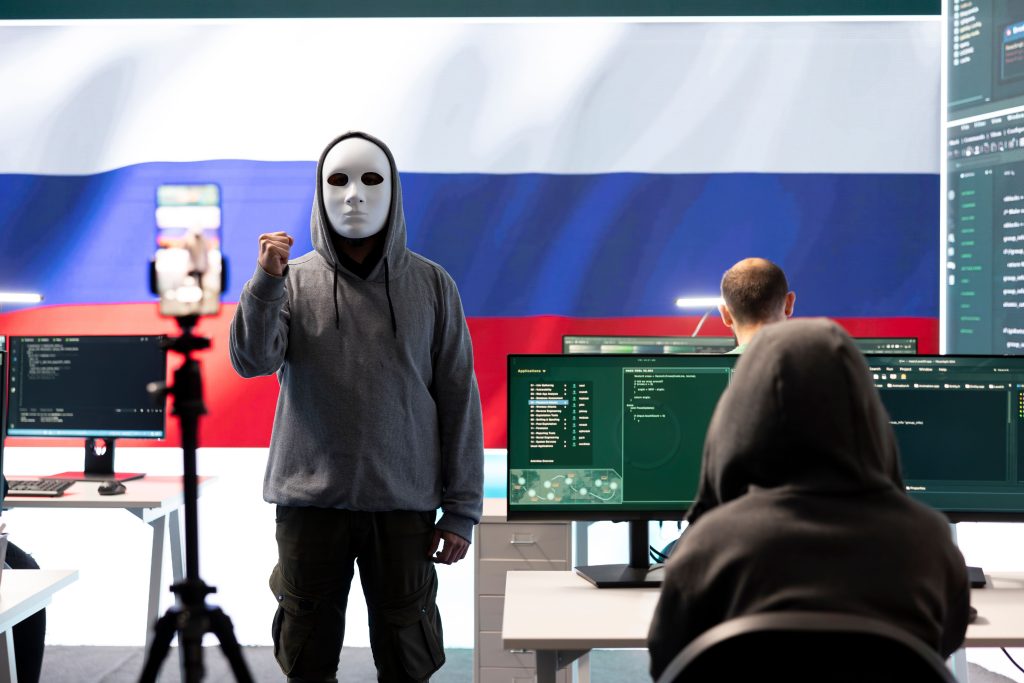
Russian‑aligned hacktivist groups are actively targeting UK organisations with disruptive Cyber-attacks, according to the UK National Cyber Security Centre (NCSC). While headlines focus on major brands and public services, UK small and medium-sized enterprises (SMEs) sit in the same supply chains and online ecosystems. For UK SMEs that depend on cloud services, online payments and continuous access to customers, understanding this threat – and shoring up resilience – is now a business priority, not just an IT concern.
Why This Matters for UK SMEs
Hacktivist disruption matters for UK SMEs because these attacks aim to knock services offline, overwhelm websites or exploit weak controls – often hitting smaller suppliers and service providers along the way. Even if you are not a direct political target, you can still suffer downtime, lost revenue and reputational damage.
Key risks and benefits include:
* Business continuity: Disruption to your website, online booking, e‑commerce or email can halt operations and sales.
* Supply chain impact: Attacks on larger providers can cascade into outages for SMEs that rely on their platforms.
* Reputation and trust: Customers often blame the visible business, not the distant attacker or hosting provider.
* Regulatory and contractual exposure: Prolonged outages or data issues can trigger SLA breaches or regulatory questions.
* Resilience advantage: SMEs that prepare can respond faster, communicate better and stand out as more reliable partners.
Authoritative Insight
Hacktivist attacks are politically or ideologically motivated cyber activities designed to cause disruption, draw attention and undermine confidence, rather than purely to steal money. Russian‑aligned hacktivist groups are currently focusing on UK organisations and online services with denial‑of‑service style attacks and other disruptive techniques, according to the UK National Cyber Security Centre.
These groups typically:
* Target public‑facing websites and online services to make them slow or unavailable.
* Seek to embarrass or undermine trust in institutions and companies rather than quietly steal data.
* Use widely available tools and coordination on social media or messaging platforms to launch attacks.
According to the UK National Cyber Security Centre, recent activity has affected a range of sectors and has the potential to impact everyday online services used by UK organisations. While many attacks have limited long‑term technical impact, they can cause noticeable disruption and generate media attention.
For UK SMEs, this means that you may be affected in three ways:
1. Directly, if your own website or online services are targeted or caught up in wider attacks.
2, Indirectly, through outages or slowdowns at your internet provider, hosting company, cloud vendor or payment processor.
3. Reputationally, if customers see your services as unreliable or unsafe during periods of disruption.
The NCSC emphasises the importance of basic resilience measures for all organisations, not just high‑profile targets, to reduce the impact of these campaigns.
SME-Specific Impact
UK SMEs face particular challenges and opportunities when it comes to hacktivist‑driven disruption. Their size and operating model can increase exposure in some areas while offering agility in others:
* Dependence on a few key online services: Many SMEs rely heavily on a single website, booking system or payment gateway, so any downtime hits revenue immediately.
* Limited in‑house IT expertise: Smaller firms often lack specialist cyber security staff and may not have considered denial‑of‑service or hacktivist threats at all.
* Hosted and managed environments: SMEs usually run websites and apps through third‑party providers, meaning resilience depends on shared infrastructure and settings.
* Lean operations and tight cash flow: Even short periods of disruption can impact cash flow, especially for e‑commerce, hospitality and professional services.
* Faster decision‑making: On the positive side, UK SMEs can often implement practical resilience and communication measures more quickly than large enterprises.
In this context, the goal is not for SMEs to become national‑level security operations centres, but to ensure that a hacktivist‑driven outage does not take them entirely by surprise.
Quick Action Steps
1. Review NCSC guidance and understand the threat.
Start by briefing leadership on the NCSC warning about Russian‑aligned hacktivist groups and the nature of disruptive attacks, using plain language and focusing on business impact.
2. Talk to your hosting and cloud providers about resilience.
Ask your website host, DNS provider and key cloud vendors what protections they have against denial‑of‑service attacks and how they handle high‑traffic or hacktivist incidents.
3. Identify your critical online services and single points of failure.
List the systems where downtime would immediately hurt you – website, online shop, booking platform, email, file sharing – and confirm who owns which part (internal vs supplier).
4. Agree a simple outage and communication plan.
Define who decides what during an incident, how you will update your website, social media and key customers, and what alternative channels (e.g. phone, WhatsApp, backup email) you will use.
5. Tighten access and apply basic hardening.
Ensure admin accounts for websites and online services use strong passwords and multi‑factor authentication. Remove unused accounts and check that software and plugins are up to date.
6. Test your response with a short tabletop exercise.
Run a 30–45 minute scenario with your leadership and key staff: “Our website and email are disrupted by a hacktivist attack – what do we do in the first hour?” Capture gaps and quick fixes.
7. Document and share a brief resilience summary with key clients.
For SMEs that supply others, summarise your basic resilience and communication approach in a short document. This can help answer client security questionnaires and build trust.
Forward Insight
Over the next one to three years, politically motivated hacktivist activity is likely to continue alongside more traditional financially motivated Cyber-crime. For UK SMEs, the distinction matters less than the practical impact: disrupted services, confused customers and strained teams. Acting now on the NCSC warning – by improving resilience, clarifying responsibilities and strengthening supplier arrangements – will put small businesses in a far stronger position to ride out future waves of disruption and remain trusted, reliable partners.

About GEÓ NewsTeam
Broadcasting Daily from our Gibraltar Newsroom our dedicated desk editors and newsdesk team of Professional Journalists and Staff Writers work hand in hand with our established network of highly respected Correspondents & regional/sector specialist Analysts strategically located around the Globe (HUMINT)
Contact Us: [email protected]